
Collecting
Collecting Hand Bells: Antiques and Affordable Finds
School bells, musical handbells and decorative examples: how to examine their construction, markings and condition before you buy.
A hand bell is small enough to hold, but its history can be surprisingly difficult to pin down. Was it used to call a class to order, announce dinner, make music or commemorate a holiday? Before deciding how old a bell is or what to pay for it, start with the simpler question: what kind of bell are you looking at?
For visitors browsing an antique show, that question makes a useful starting point. The shape, handle, clapper and markings can tell you more together than any one feature can alone.
Start with its purpose
School and household bells were practical signalling devices. A sturdy handle and a freely moving clapper are useful clues, but a familiar shape does not prove a particular history. A dealer’s description of “school bell” is worth following with a question about where it came from. The Smithsonian, for example, records a dinner bell made around 1847 with brass, iron and wood components: an ordinary-looking object can combine several materials and have a documented purpose. Smithsonian collection record
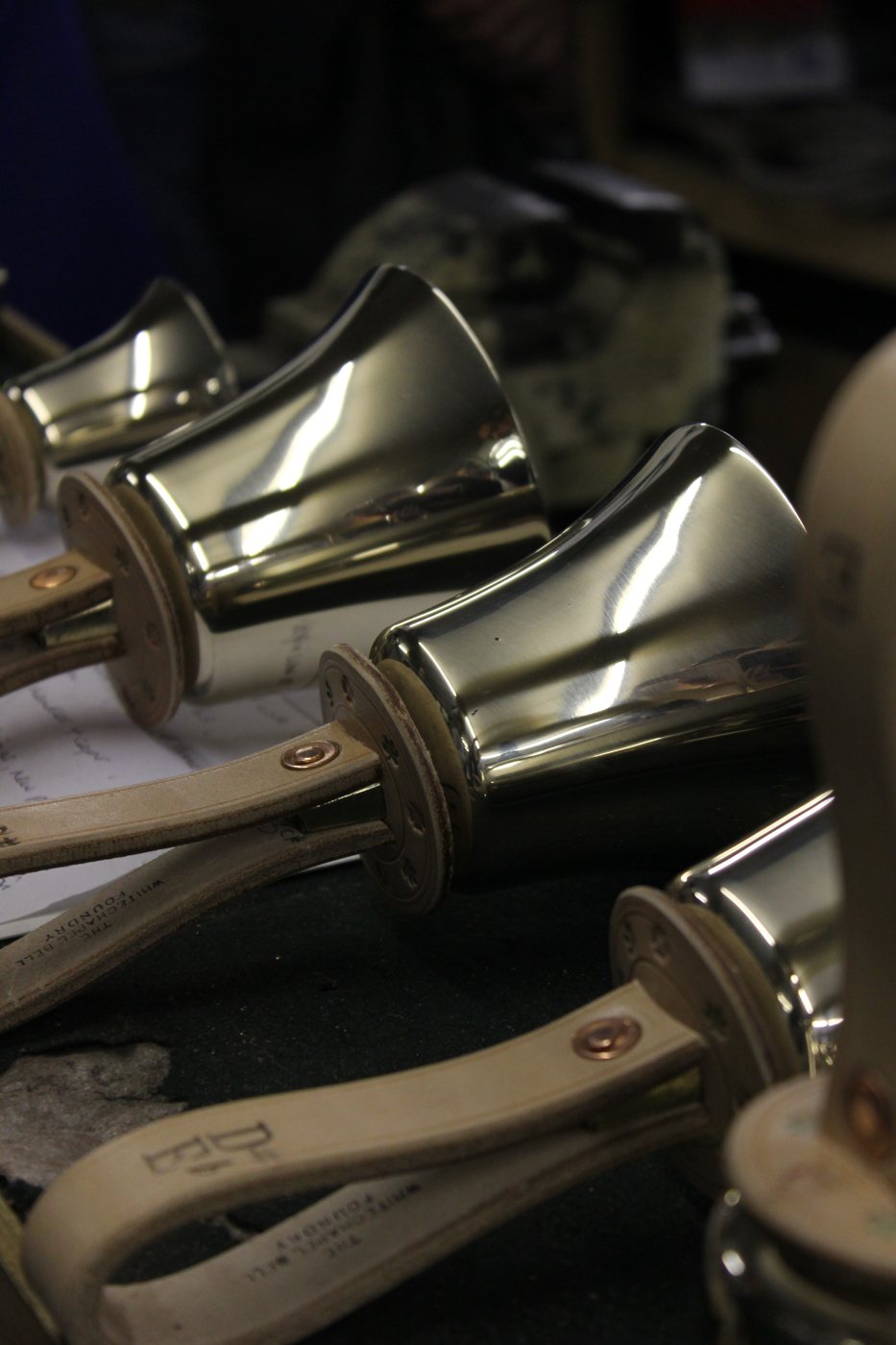
Musical handbells belong to a different collecting category. They are generally made in tuned sets, with handles and clapper mechanisms designed for controlled ringing. Look for a maker’s name and note or size markings. If several bells are offered together, ask whether they form a complete set and whether all came from the same maker. The Central Council of Church Bell Ringers distinguishes these instruments from small school bells in its introductory guide. Handbells: A Brief Guide
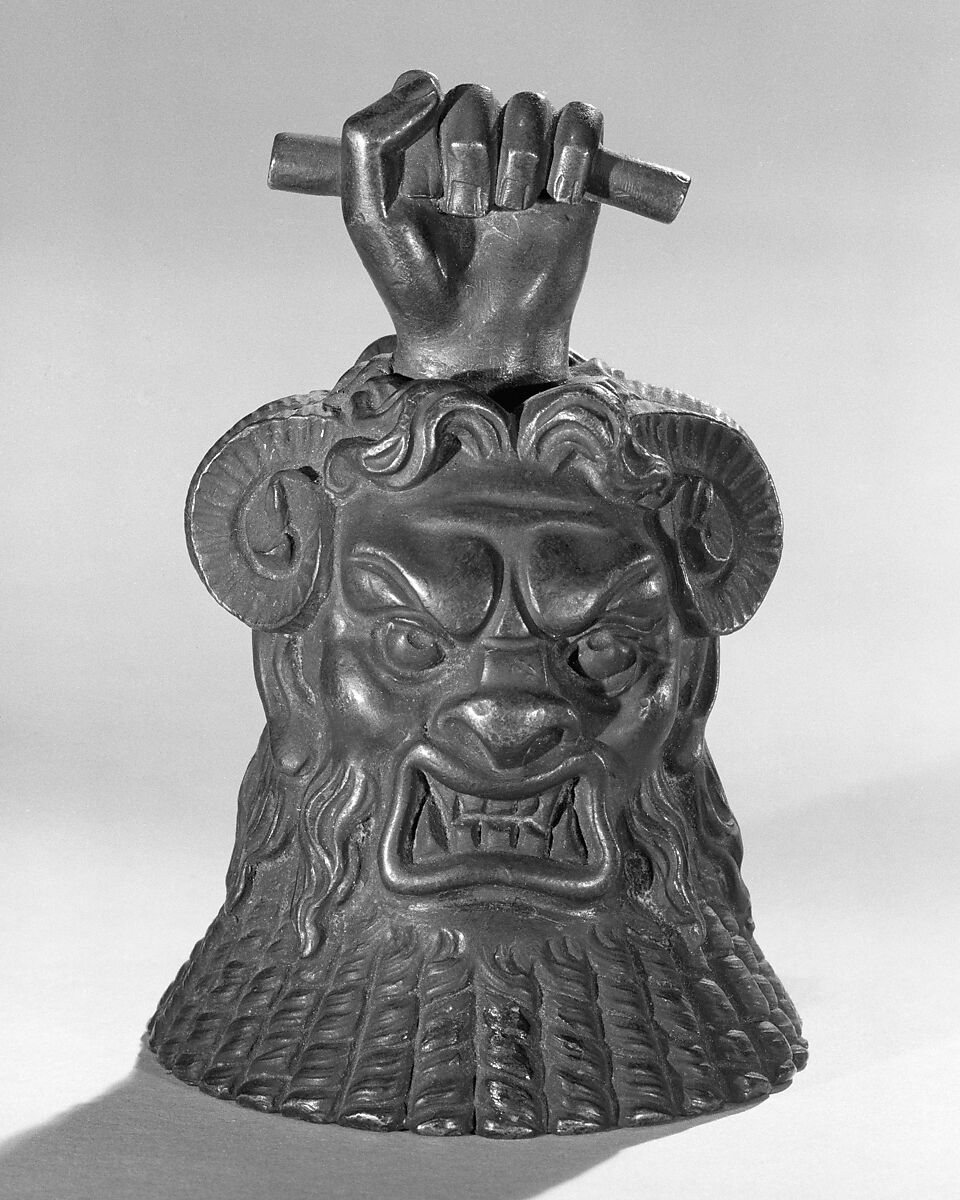
Decorative and souvenir bells invite another approach. A place name, commemorative inscription or figure may matter more to a collector than musical performance. Read the decoration carefully rather than assuming it identifies the place or period of manufacture. A striking example in the Metropolitan Museum of Art is a nineteenth-century European bell incorporating the face of the Egyptian deity Bes. Its Egyptian imagery does not make it an ancient Egyptian object. The Met collection record
More Affordable Bells to Look For
For a collection on a smaller budget, start with twentieth-century souvenir and decorative bells. Travel souvenirs, floral china bells and anniversary pieces offer plenty of variety without having to seek out an early or rare example.
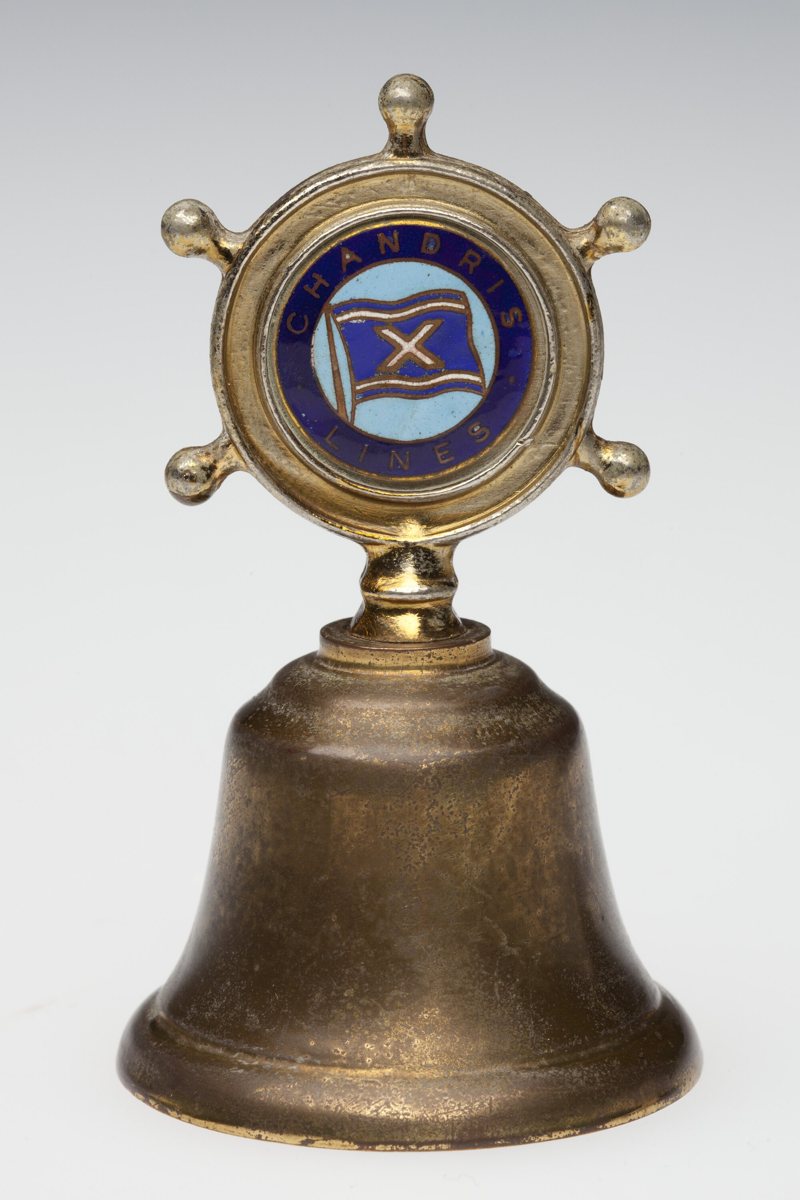
Souvenir bells can be a good place to start. Look for place names, painted scenery, ships, and handles shaped like local landmarks. They were made in ceramic, porcelain and metal. Museums Victoria’s brass Chandris Lines bell, dated to the 1950s–1960s, has a ship’s-wheel handle and a blue enamel badge. Its appeal comes as much from the shipping and travel connection as from the bell itself.
Decorative and commemorative bells are worth a closer look, too. A six-bell estate-auction group from Ohio included Japanese porcelain examples, a Florida souvenir with a palm-tree handle, and blue-glass bells commemorating the American bicentennial. It gives a useful sense of the range you might encounter while browsing dealers’ tables, although these particular examples are not advertised for our next show.
Check for chips around the rim, missing clappers and repairs to delicate handles. Compare similar examples before deciding on a price; a “collectible” label alone does not establish value. Collecting a particular place, material or subject is an easy way to give a small group some focus.
Look underneath, not just at the handle
With the seller’s permission, examine the bell in good light. Photograph the outside, the interior, the handle attachment and any lettering. Record the height and mouth diameter so that later comparisons are meaningful.
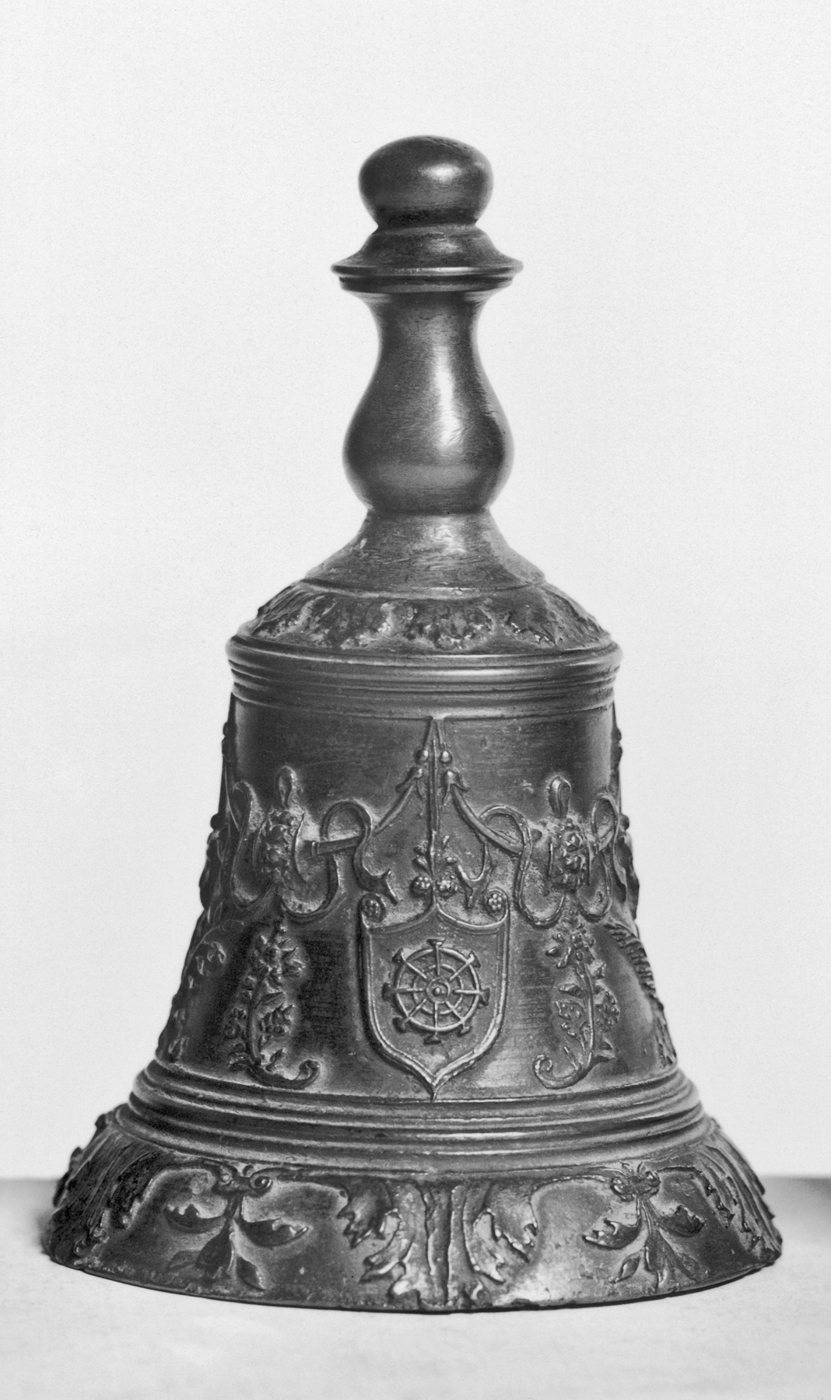
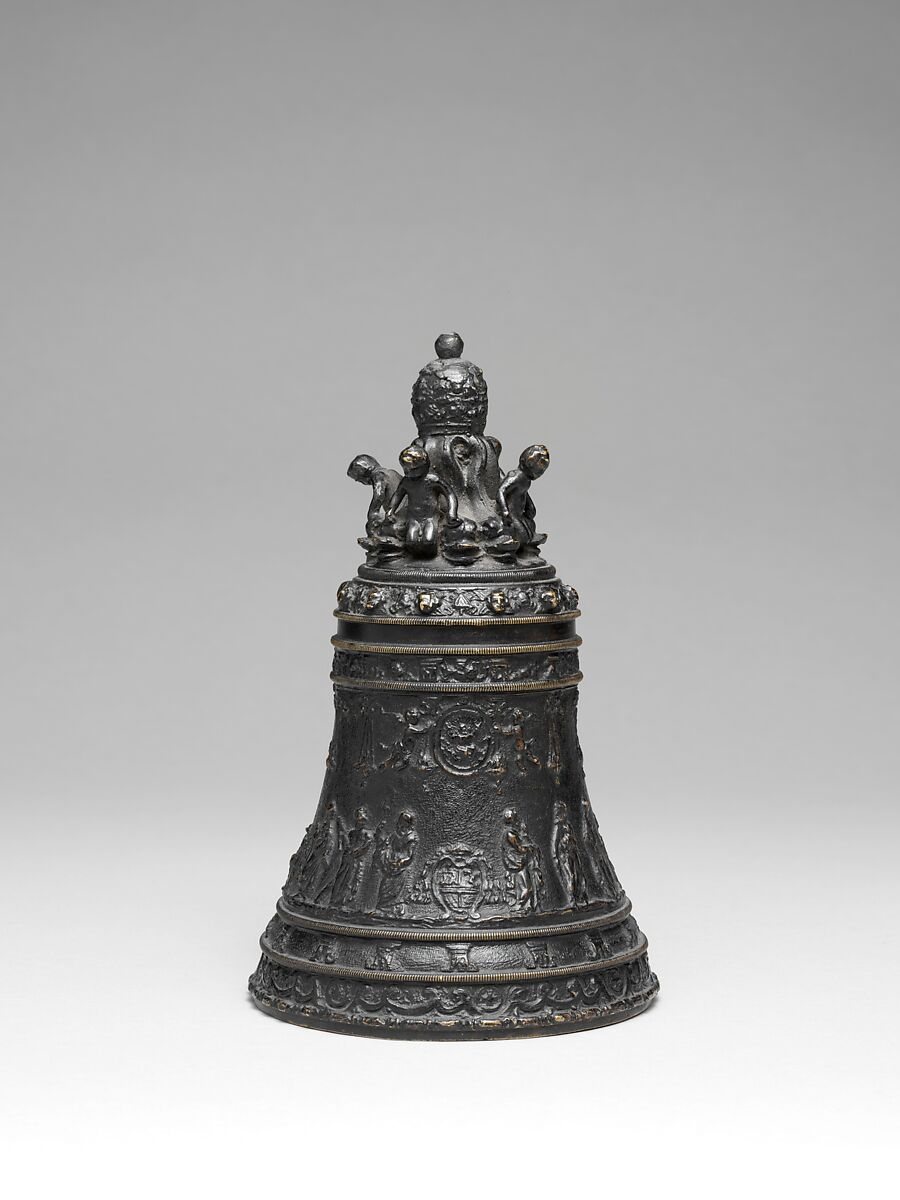
Copy marks exactly, including punctuation and the arrangement of letters. A cast name, stamped trademark, engraved dedication and handwritten inventory number may have very different origins. Treat an inscription as a research lead: a date might commemorate an event rather than record when the bell was made.
Ask what evidence supports the proposed age. An old photograph showing the bell, a receipt or a reliable family history is more helpful than a confident label without supporting detail. Compare several documented examples, paying attention to construction as well as decoration. Similar-looking bells need not have been made at the same time.
Be cautious about colour and shine
A yellow surface does not settle whether a bell is solid brass or plated, and a dark surface does not establish its age. The Canadian Conservation Institute explains that metal finishes and patinas may be natural or deliberately applied. Some objects also have protective or coloured lacquers. Surface appearance is therefore one piece of evidence, not a dating method. Caring for Metal Objects
Avoid scratching an inconspicuous spot to “test” the metal. If the material matters to the purchase, ask for a supported identification or seek specialist advice. Record any uncertainty rather than turning a guess into a fact.
Check condition before trying the sound
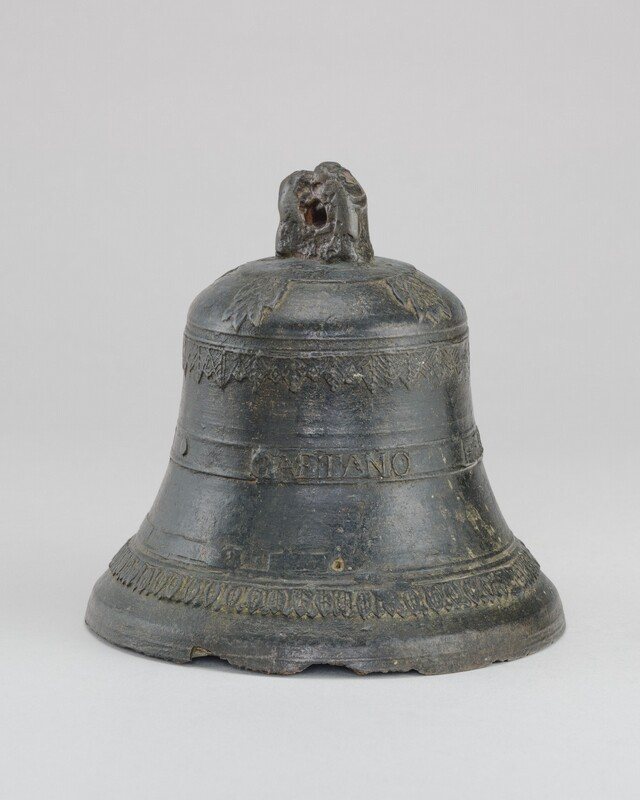
Inspect the rim for chips and cracks, the handle for splits or looseness, and the interior for missing or altered parts. Ask about repairs. Replacement handles and clappers are worth noting, particularly when originality matters to your collection.
For musical bells, the Central Council recommends checking handles, springs, clapper pads and the condition of the casting. It also warns that cracks are not always visible. Ask permission before ringing, and do not test an insecure handle. A pleasant sound alone cannot authenticate an antique. Handbell buying and care guidance
Bring home the information, too
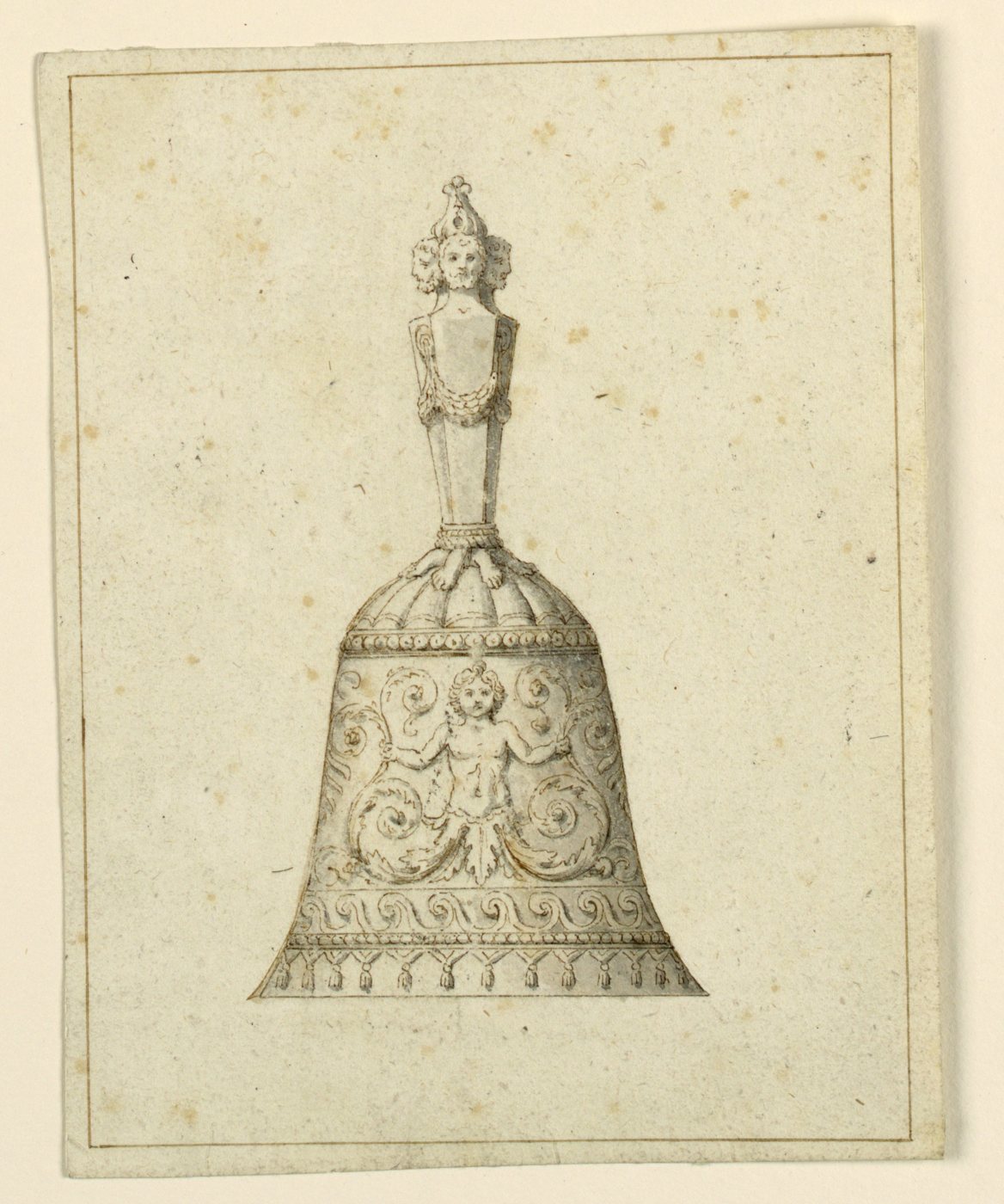
Keep the receipt, seller’s description and photographs together. Write down what is known, what was reported and what remains uncertain. Choose a bell for its workmanship, sound, decoration or documented connection rather than an unsupported promise of rarity.
Once home, resist an immediate polish. The Canadian Conservation Institute notes that polishing removes some surface metal and repeated polishing can erase detail. When the original finish is uncertain, ask a conservator before treatment. A little restraint can preserve the very evidence that makes your bell interesting. Care of Brass and Copper