Furniture
How to determine the age of antique furniture
Where to look for labels, construction details and repairs, and why several clues are better than one.
Start with what you can record
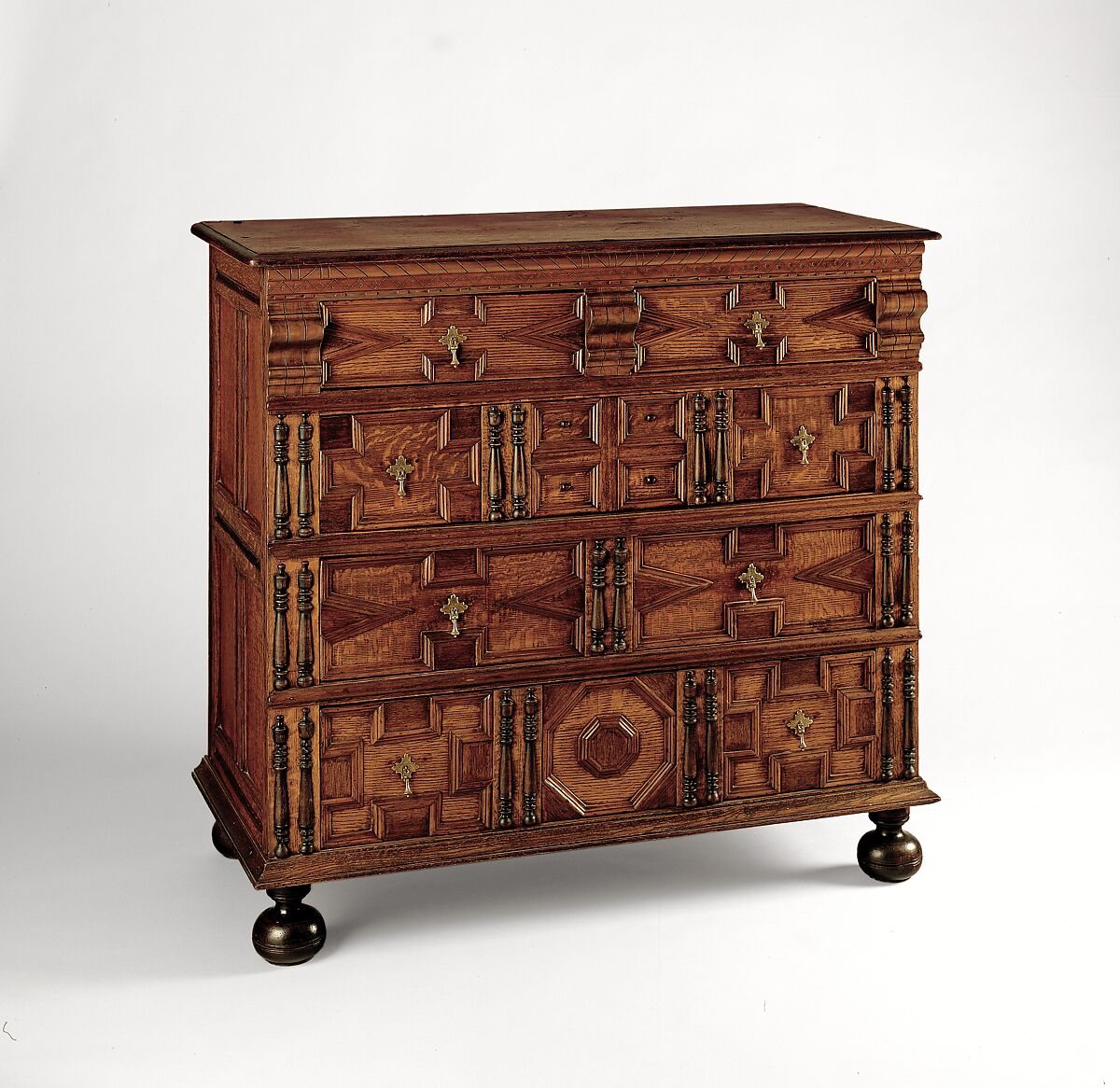
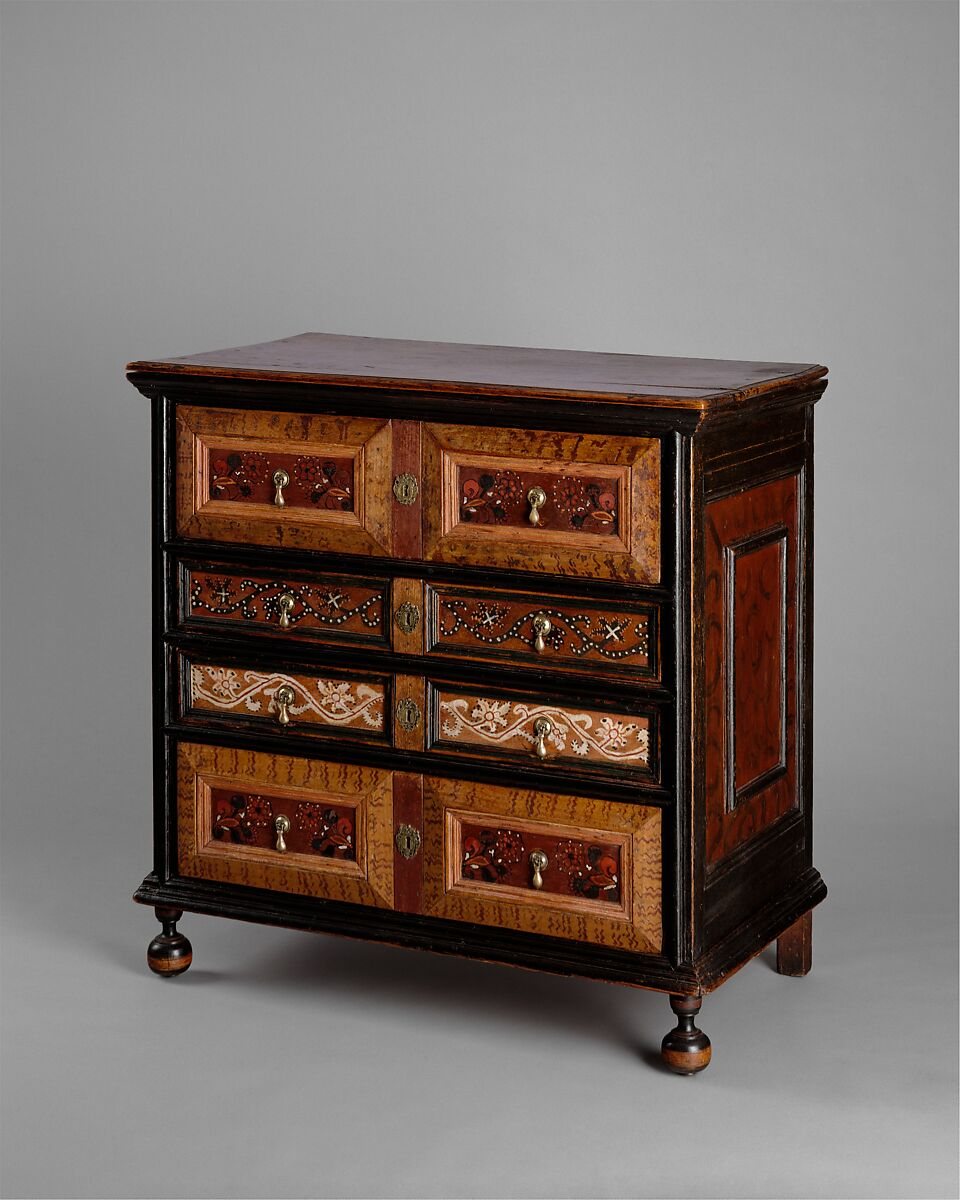
An old-looking chest of drawers can be surprisingly difficult to date. A useful first goal is a supported date range, rather than an exact year. Photograph the whole piece, measure it, and record any family history separately from what you can actually see. A remembered purchase date and a manufacturing date are different pieces of information.
With the owner’s permission, look inside drawers and at accessible backs and undersides. Do not force a stuck drawer or tip heavy furniture on your own. Photograph labels, stamps and handwritten inscriptions where they are, including anything too faint to read confidently.
Read the label carefully
A name can give you a much better research lead than a description such as “old maple dresser.” Copy the wording and address exactly, then look for the business in historical directories, museum records or period advertisements.
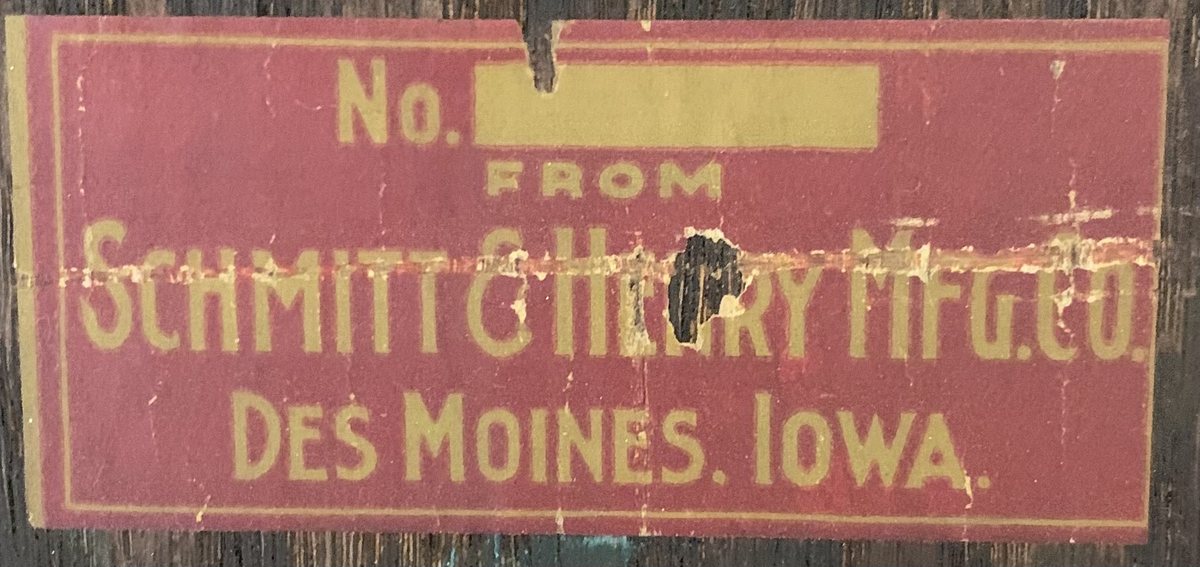
Saint John cabinetmaker Thomas Nisbet offers a local example. Research on his surviving paper labels identified a sequence of different designs and wording that helps narrow dates. The study also cautions that the precise years of use cannot always be established. Compare the actual label, rather than assuming every piece bearing the same name has the same date. The Labels of Thomas Nisbet, Material Culture Review.
Examine how it was assembled
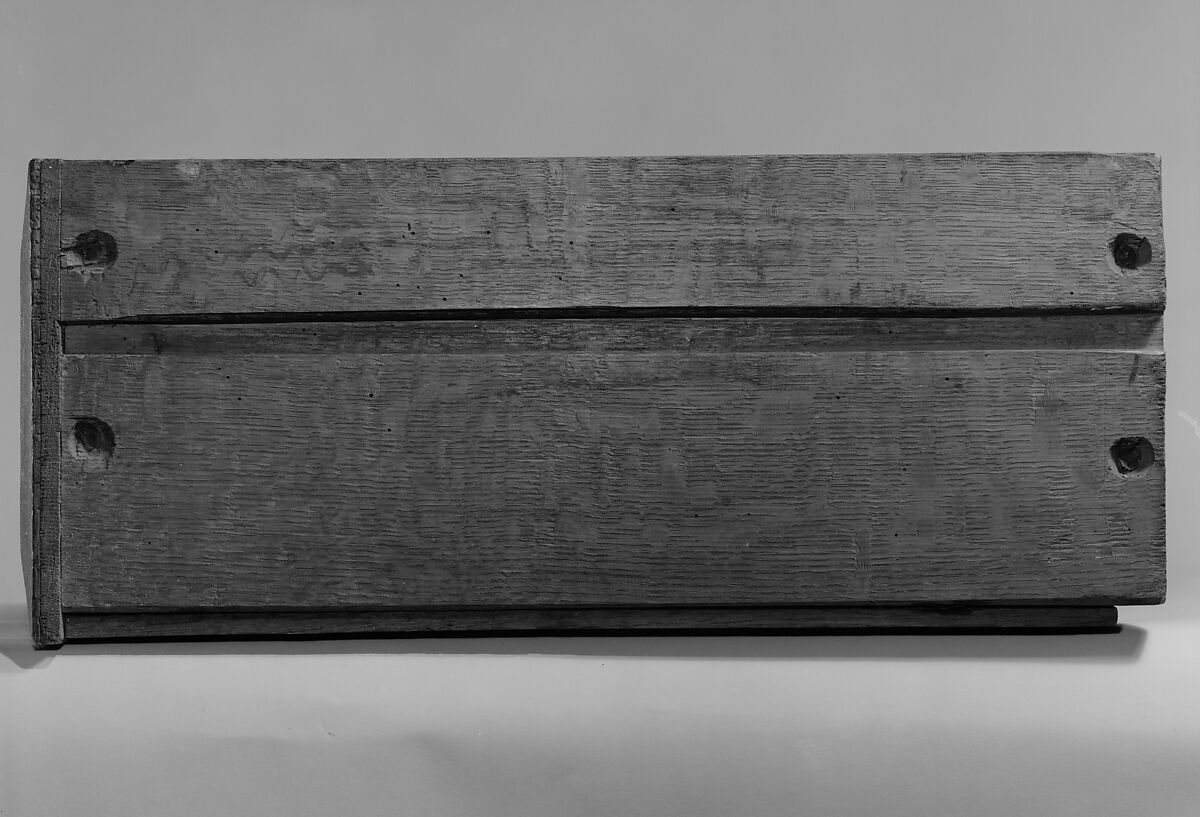
Look at drawer joints, backboards, visible tool marks and the way the legs meet the body. Record whether the construction is consistent throughout. One drawer that differs from the others deserves a question: was it replaced, repaired or made that way originally?
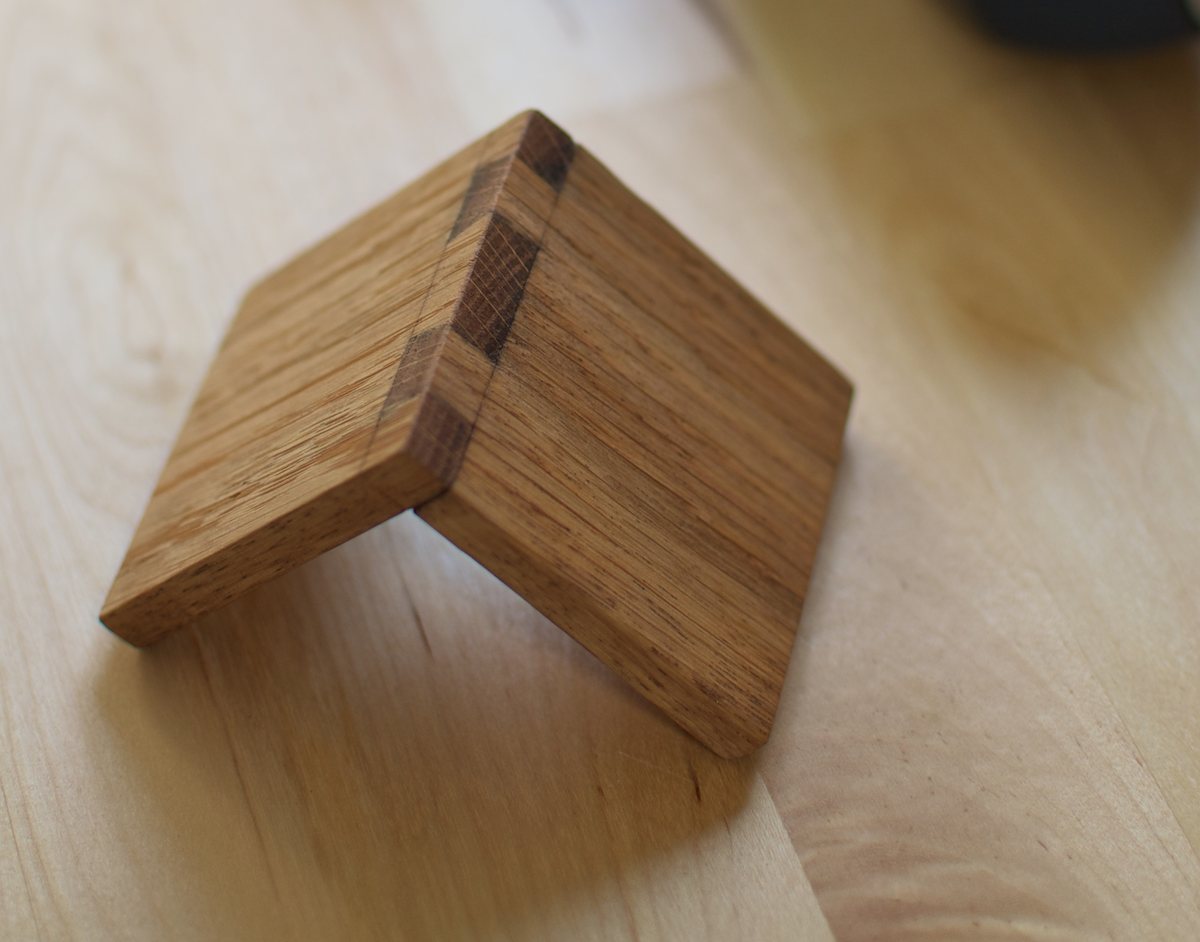
Dovetails are useful to examine, but they are not a calendar. The V&A demonstrates how these interlocking drawer joints are cut by hand; hand techniques remain available to later makers and restorers. Avoid a rule such as “uneven dovetails mean eighteenth century.” Construction needs to agree with the other evidence. V&A: How was it made? Furniture.
Separate the furniture from its repairs
Check for unused handle holes, changed hinges and patches of different wood. Ask the seller which parts are believed to be original. A newer screw may belong to a repair, so it cannot automatically date the entire cabinet. Equally, an old handle does not establish the age of everything attached to it.
Leave the surface alone while you investigate. Stripping or aggressive cleaning can remove historical evidence. The Canadian Conservation Institute stresses the importance of original finishes and recommends professional help for extensive cleaning or repairs. CCI: Basic care of furniture and wooden objects.
Compare like with like
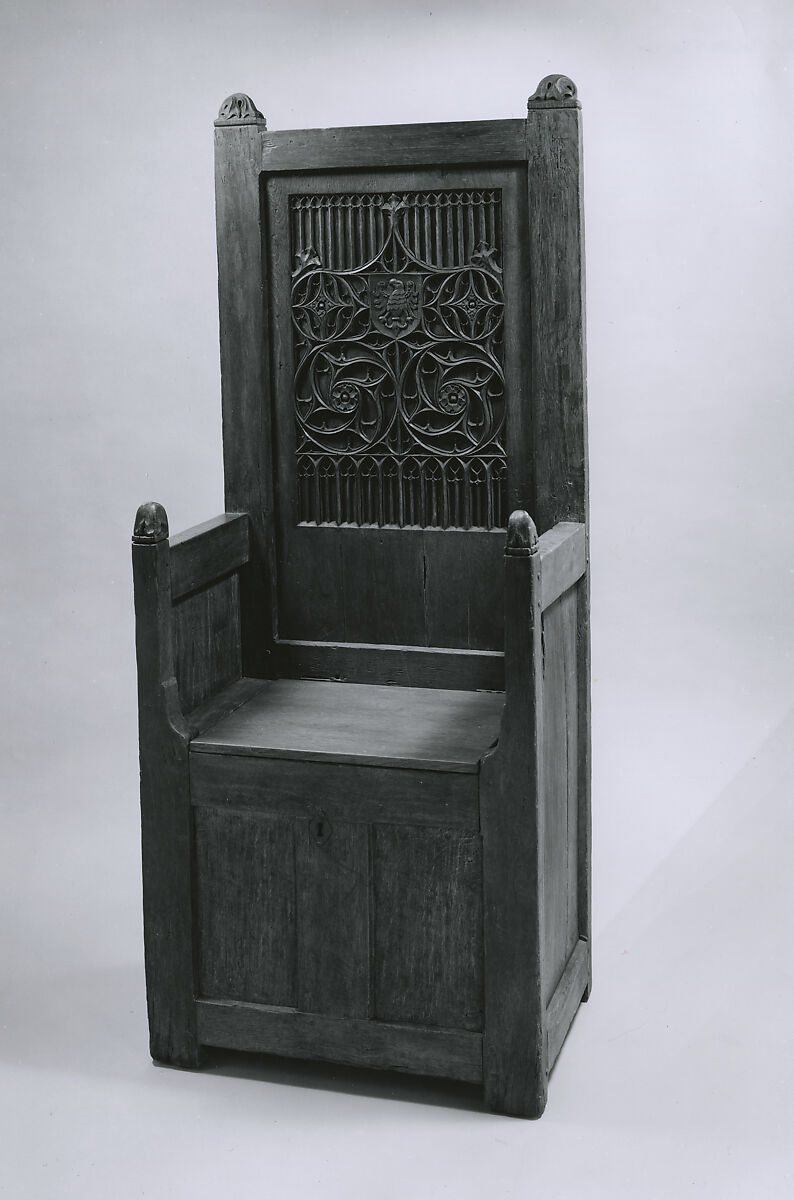
Use documented examples from the likely region, with similar materials, proportions and construction. A style name is a starting point: later reproductions and revivals can resemble earlier furniture. Regional workshops also did not all adopt new methods together.
Keep a short record of your conclusion, the evidence supporting it and anything unresolved. If the date or attribution would materially affect a purchase, ask a furniture specialist to examine the piece. “Probably nineteenth century, with replaced handles” is more useful than an exact year that the evidence cannot support.