Collecting
Licence Plates: Which ones are valuable?
A practical guide to the details collectors compare: issue, scarcity, condition, numbers and original finish.
Identify the exact issue first
Before looking for a price, write down the province or state, year, number, dimensions and any small letters or symbols. Photograph both sides. Check whether you have a passenger-car plate, a commercial issue, a motorcycle plate or something else. Similar colours and the same year do not necessarily mean the same issue.
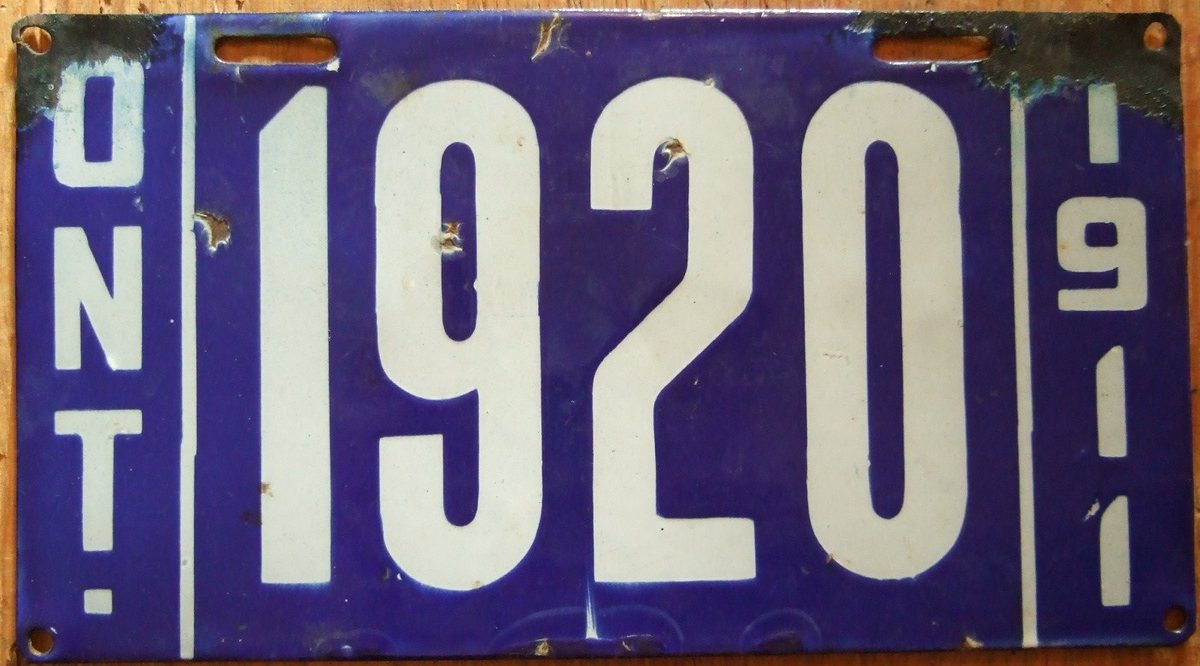
Material is another useful clue. The Henry Ford’s collection record for a 1929 Manitoba plate identifies embossed steel and explains that early Canadian plates also used materials including porcelain-coated steel and fibreboard. Compare your example with a documented plate from the same jurisdiction and period. The Henry Ford: Manitoba licence plate, 1929.
Age is only part of scarcity
Collectors consider how many plates were issued and how many survived. Requirements to surrender old plates, the durability of the material and the handling of unused stock can all affect what remains. Demand also varies by year, jurisdiction and vehicle category. A scarce issue still needs interested buyers.
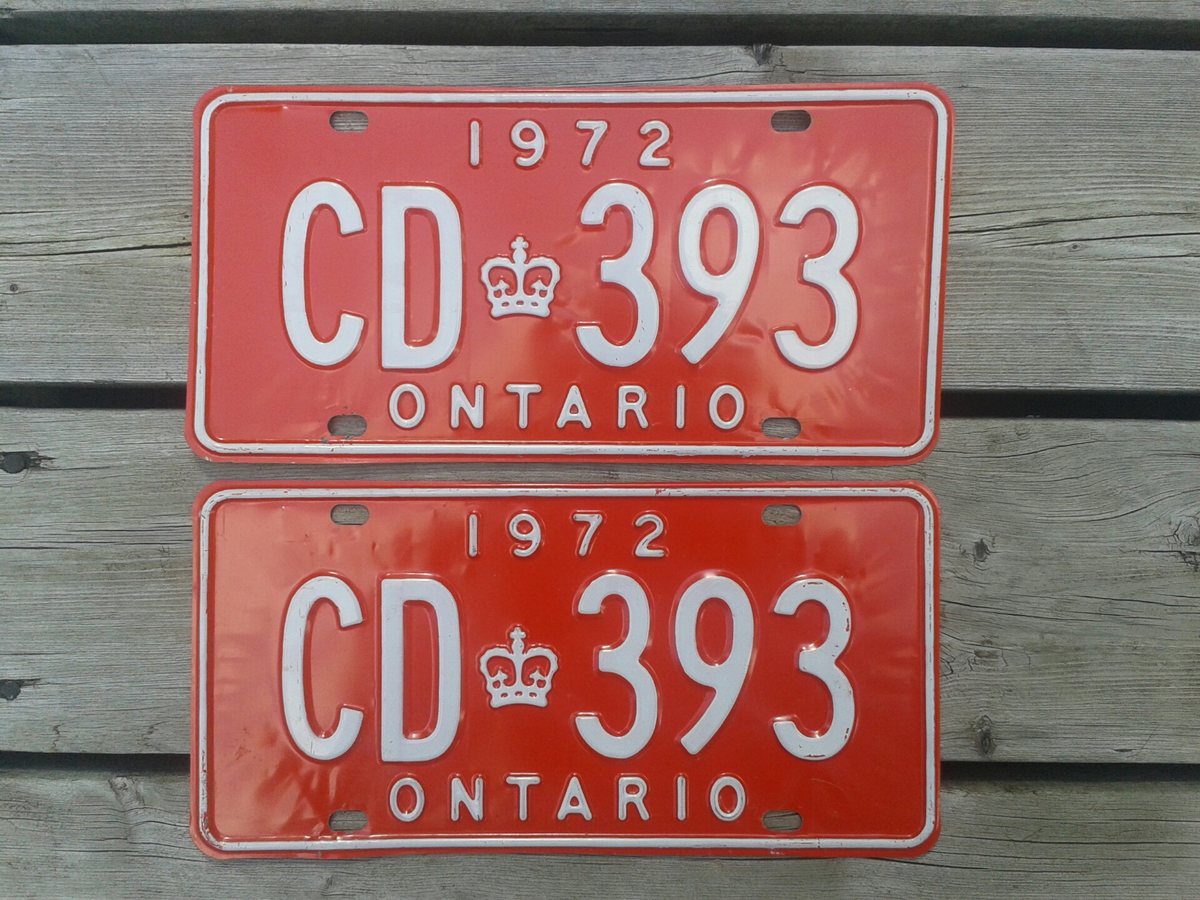
Low or distinctive numbers can attract attention. So can a year someone needs to complete a collection. If two plates have matching numbers, keep them together while researching whether that issue was originally supplied as a pair. Do not assume every pair carries a fixed premium. Rick Kretschmer’s collector FAQ: factors affecting value.
Describe condition instead of saying “good for its age”
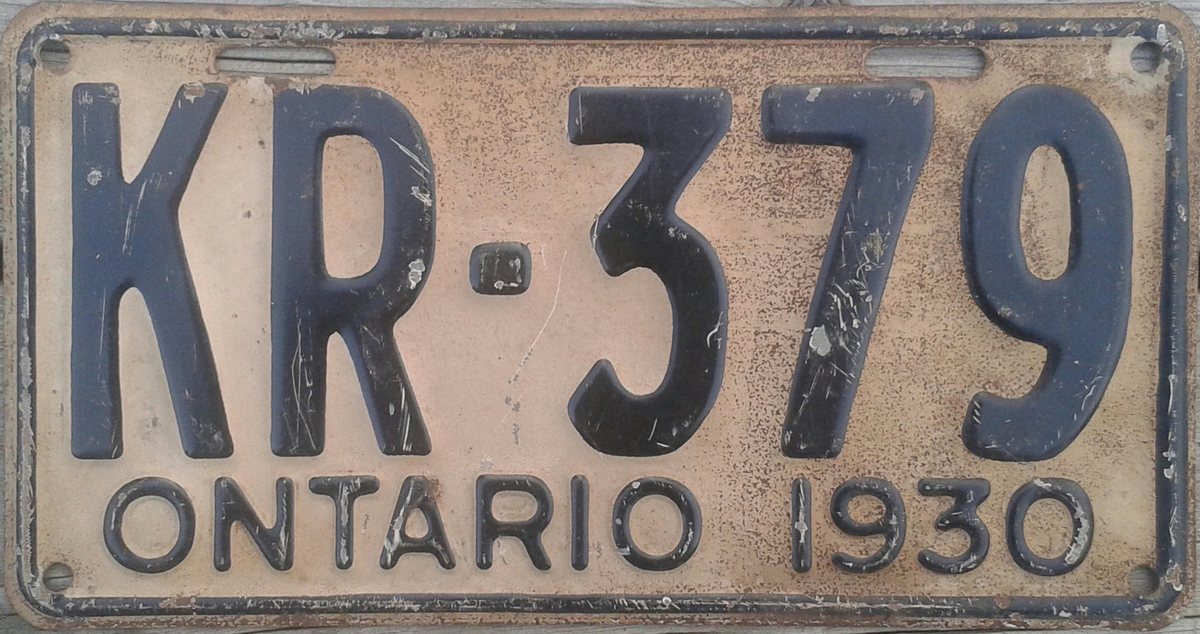
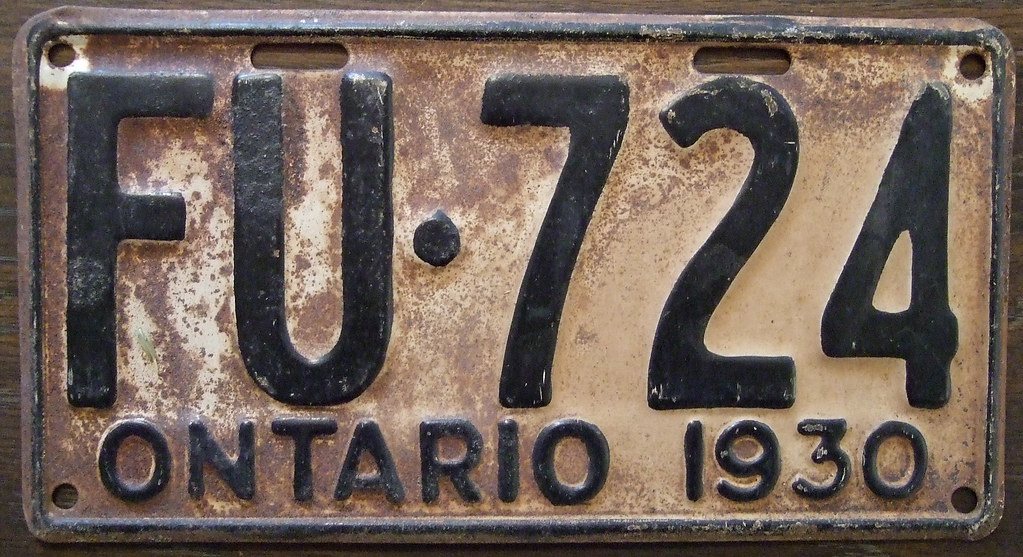
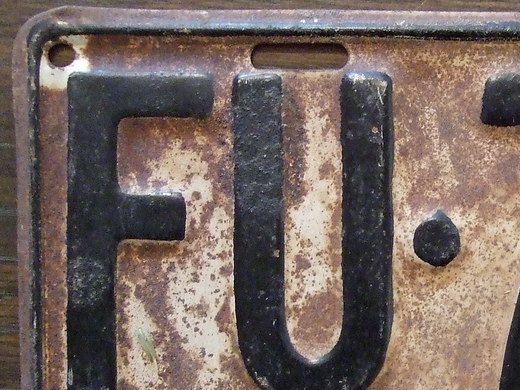
Look for rust, fading, scratches, dents, extra holes and tears around the mounting holes. For porcelain enamel, note chips and losses. Check the reverse as well as the display side, and photograph damage clearly.
Collector grades describe condition independently of age and scarcity. An old plate does not earn a better grade simply because it survived. Rick Kretschmer’s illustrated guide, based on ALPCA standards, shows how mounting marks, paint damage and corrosion affect descriptions. It also acknowledges room for judgement between grades. Illustrated licence-plate grading guide.
Ask about paint and repairs
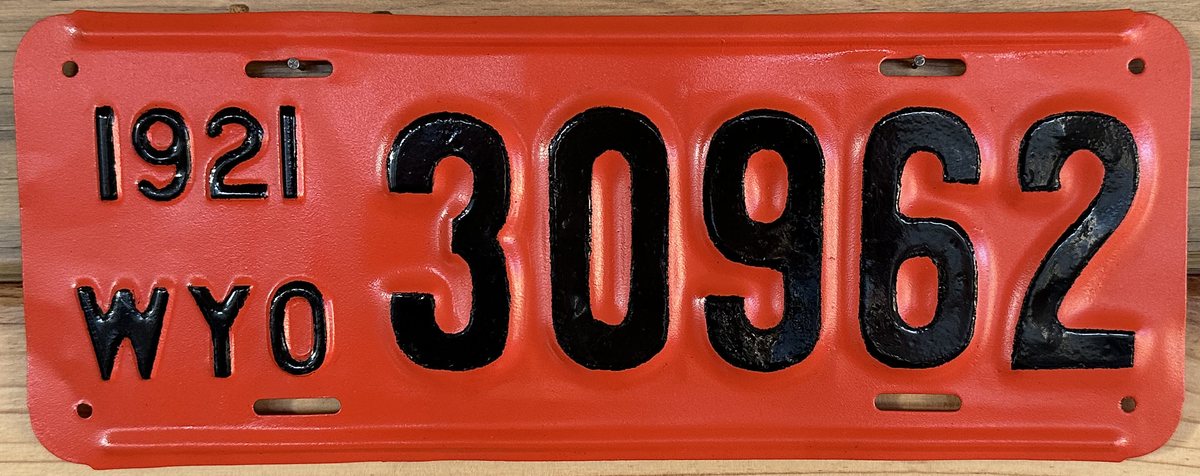
A glossy surface deserves a closer look. Ask whether the plate has been touched up, completely repainted or repaired, and whether the seller believes it is an original issue or a reproduction. Do not repaint a find before its condition and originality have been assessed.
Collectors record these distinctions separately: abbreviations such as “rp” for repainted and “xh” for an extra hole can appear beside a grade. Make sure you understand the whole description before comparing prices. PL8S collector terminology guide.
Compare actual sales
Build a small comparison sheet using completed sales for the same jurisdiction, year and plate type. Record condition, originality, whether the sale included a pair, the currency and any buyer’s premium. An asking price only tells you what a seller hopes to receive.
If you cannot find a close comparison, ask a collector who specialises in that province or period. Send clear photographs and the details you recorded. Keep an unusual plate intact while you investigate; you can decide how to display it after you know what you have.